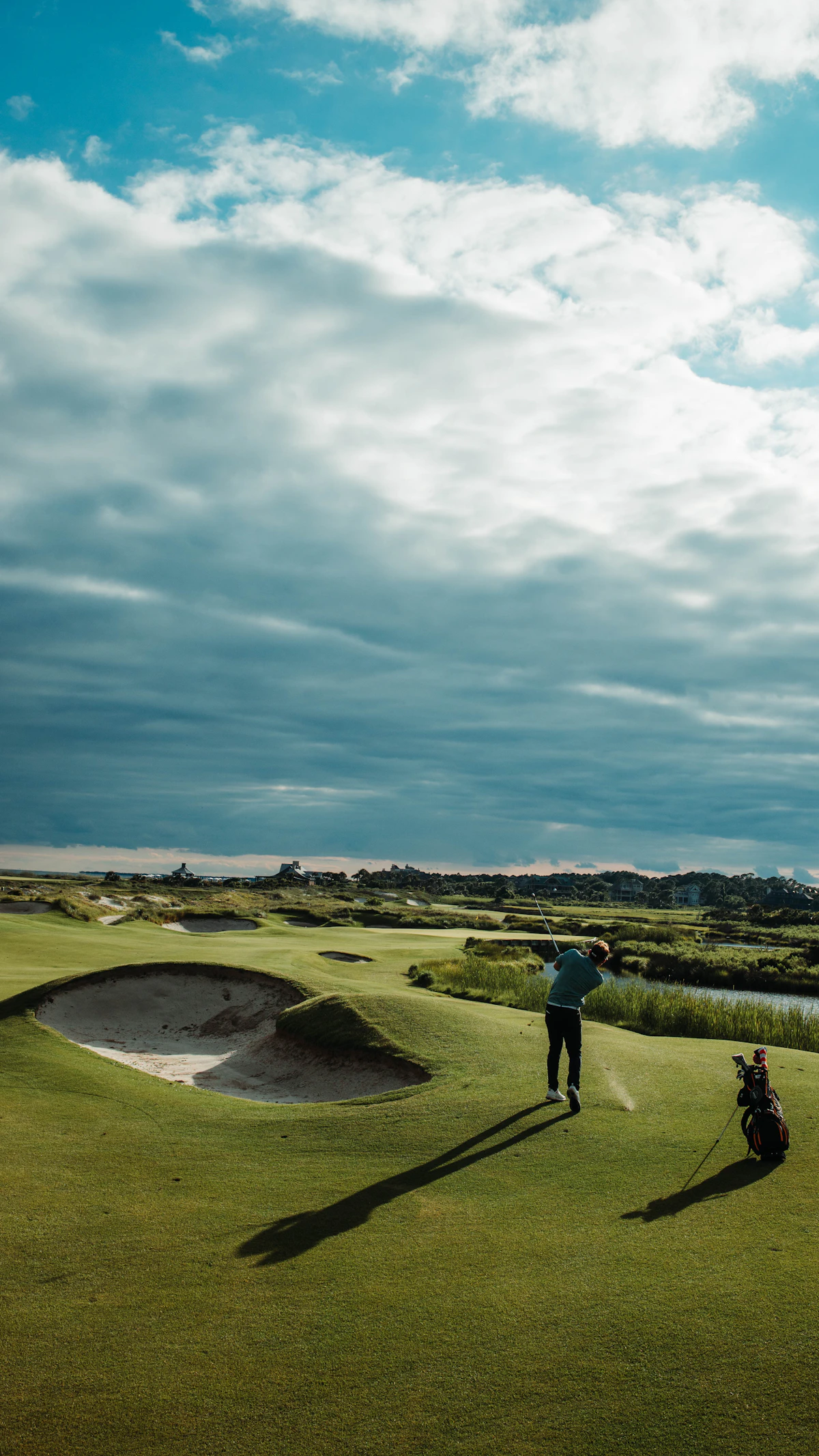
Few places on earth unite land, ocean, and the game of golf with the emotional resonance of Cypress Point Club. Set against the wind-sculpted Monterey cypresses and turbulent waters of Carmel Bay, Alister MacKenzie’s 1928 routing remains the definitive masterclass in strategic golf design.
The Pacing of the Routing
What makes Cypress Point endure is its architectural crescendo. The journey opens through sandy pine forest before transitioning gracefully onto windswept coastal sand dunes. By the time a player reaches the 15th tee, the course emerges directly onto the rocky cliffs of the Pacific.
“The 16th at Cypress Point is the most dramatic heroic par three in world golf. You either carry 220 yards of crashing surf onto a granite peninsula, or you bail out left and pray for a pitch-and-putt four.”
Marion Hollins, Champion & Visionary
Architectural Nuance: The Short Holes
While the ocean stretch commands international reverence, connoisseurs often point to the inland holes—specifically the short par-four 8th and the subtle 9th—as MacKenzie at his most devious. The greens appear to flow directly out of the native dunes, demanding precise spin control and creative ground trajectory rather than brute aerial bombardment.